
Architectural Weatherproofing
Roof junctions, chimneys, and wall abutments represent the most critical transition points on any building envelope. Without precision-fitted lead flashings, driving rain easily penetrates mortar joints and causes hidden structural timber decay. Our certified master craftsmen provide complete lead flashing repair and replacement services utilising certified British Standard BS EN 12588 Code 4 and Code 5 milled sheet lead.
From stepped chimney flashings to continuous side aprons and parapet capping, every piece of sheet lead is custom-bossed and mechanically fixed with stainless steel clips, ensuring seamless thermal expansion and over 50 years of watertight durability.

01
Milled sheet lead is naturally ductile, flexible, and completely impermeable to UV degradation and extreme frost cycles, outlasting modern synthetic tapes by decades.

02
We calculate exact sheet lengths and mechanical lap allowances to prevent thermal fatigue cracking, buckling, and splits during seasonal UK temperature swings.

03
Every installation is treated with specialist patination oil, preventing white lead carbonate staining on adjacent slates, tiles, and exterior masonry walls.
Custom Leadwork Solutions
From heritage restoration lead bossing to modern residential roof abutments, our experienced leadworkers deliver precision-engineered waterproofing built to last.
Individually tailored Code 4 stepped flashings chased 25mm into brick mortar lines, combined with front aprons and back gutters to seal chimney stacks permanently.
Continuous Code 4 and Code 5 lead aprons for mono-pitch roofs, side abutments, and dormer cheeks, allowing independent structural movement without water ingress.
Pre-formed Code 3 and Code 4 lead soakers interwoven between individual roof slates and tiles, forming an invisible, stormproof water-shedding boundary.
Custom-bossed Code 5 sheet lead capping for exposed parapet walls, boundary walls, and ridge saddles, preventing damp penetration into interior masonry.
Temporary sealants and flashband tapes fail within months. Our qualified leadworkers replace split lead with durable Code 4/5 milled sheet. Request a survey.
Transparent Guidance
Clear pricing structures, procedural milestones, and health and safety standards for homeowners planning a specialist leadwork installation.
The investment for specialist lead flashing depends on lead thickness code, linear meterage, accessibility, and mortar chase condition:
| Leadwork Scope & Application | Lead Specification | Estimated Guide Price |
|---|---|---|
| Complete Chimney Stack Flashing (4 Sides) | BS EN 12588 Code 4 Milled Lead | £450 – £950 |
| Side Abutment Step Flashing (Per Metre) | Code 4 Step & Cover Flashing | £65 – £110 |
| Front Apron & Back Gutter Renewal | Code 5 Milled Sheet Lead | £320 – £650 |
| Parapet Wall Lead Capping (Per Metre) | Code 5 Heavy-Duty Lead Capping | £85 – £140 |
Note: Quotes include mechanical chase raking, stainless steel fixings, high-grade polymer lead sealant, patination oil, and waste disposal.
Most residential lead flashing projects are completed in 1 to 3 working days with zero domestic disruption:
All lead flashing work must adhere to British Standard BS 6915 (design and construction of fully supported lead sheet) and the Lead Sheet Association (LSA) guidelines. When handling sheet lead, strict health and safety protocols must be followed under UK law.
For official regulatory information regarding safe handling and environmental standards, review GOV.UK Guidance on Working with Lead. Our certified leadworkers are fully trained in safe lead handling and disposal, ensuring 100% compliant installations.
Craftsmanship Gallery
Explore our showcase of completed leadwork installations, highlighting precision chimney step flashings, seamless lead valleys, and architectural parapet cappings.
Master Lead Craft
Every piece of sheet lead we install conforms strictly to BS EN 12588 and BS 6915, ensuring thermal freedom of movement and complete weather-tightness.


Expert Answers
Find authoritative answers regarding lead codes, chimney step flashings, expected lifespans, and patination oil treatments.
When correctly sized and installed according to Lead Sheet Association (LSA) standards, Code 4 and Code 5 milled sheet lead lasts between 60 and 100+ years. Its exceptional resistance to atmospheric pollution and UV radiation ensures it often outlives the tiles or slates around it.
Lead expands and contracts significantly under sunlight. If flashing sheets are installed in lengths exceeding 1.5 metres for Code 4, thermal stress causes the metal to buckle and crack. Our craftsmen strictly adhere to maximum length rules and fit expansion laps to prevent cracking.
Lead codes define sheet thickness and weight. Code 4 is 1.80mm thick (20.41 kg/m²) and is the British Standard choice for step flashings, aprons, and soakers. Code 5 is 2.24mm thick (25.40 kg/m²) and provides greater durability for wide valleys, gutters, and parapet cappings.
Newly milled lead naturally reacts with oxygen and rain to form a powdery white lead carbonate coating that washes down roofs, leaving unsightly streaks on slates and tiles. Patination oil seals the surface, giving the lead an attractive satin finish and preventing chalky run-off.
Minor splits can sometimes be lead-welded (burned) by a skilled leadworker. However, sticky bitumastic flashband tapes or silicone adhesives are temporary measures that quickly fail. Replacing failed sections with genuine Code 4 lead is the only permanent, guaranteed solution.
Customer Feedback
Read verified reviews from local property owners who trusted our master roofers for chimney step flashings, valley linings, and architectural lead repairs.
Our Coverage
We design, fabricate, and install British Standard BS EN 12588 Code 4 and Code 5 milled lead flashings, chimney aprons, step flashings, and abutment soakers across Chelmsford and all surrounding Essex communities.
Bespoke lead flashing installations, chimney step flashings, and parapet dressings for period Victorian townhouses across Central Chelmsford and Old Moulsham.

Precision Code 4 and Code 5 lead apron and soaker renewals for residential extensions and character family homes in Great Baddow.
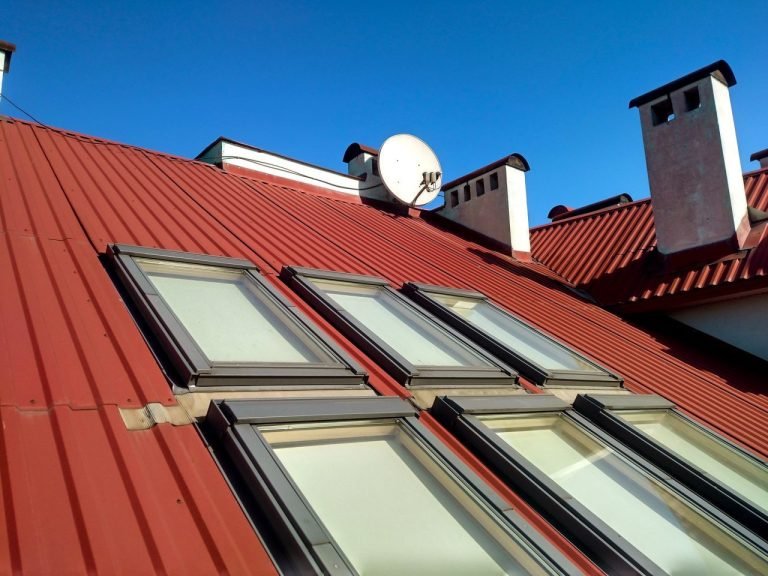
Weather-resilient lead flashing repairs for wind-exposed properties across Galleywood Common, utilizing lead straps and polymer sealants to resist uplift.

Traditional architectural lead craft, dormer window flashings, and saddle details for luxury woodland residences throughout Danbury.
Durable chimney lead replacements and wall abutment flashings for village homes in Bicknacre, stopping internal brickwork water tracking.

Expert lead flashing repairs and mortar chase re-pointing across Broomfield, replacing split or fatigued lead with British Standard milled sheet.
Heritage-compliant bossed and lead-welded details around Writtle Green, preserving listed roof junctions and historical chimney stacks cleanly.

Reliable lead flashing renewals for modern home extensions, conservatory junctions, and garage abutments across Springfield developments.

High-specification leadwork restorations in Boreham, providing new lead soakers, cover flashings, and patination oil treatments.
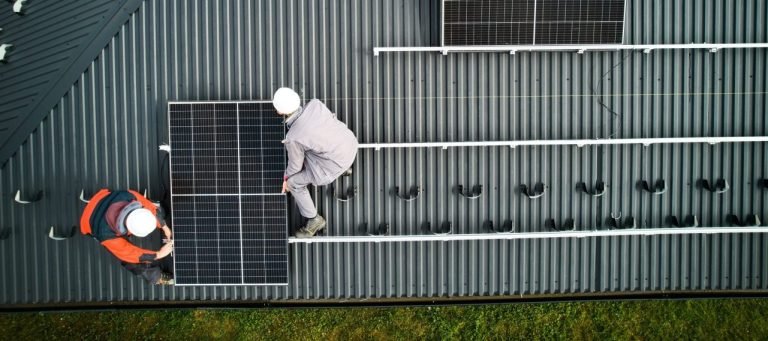
Specialist lead flashing fabrication for barn conversions, timber-framed properties, and village cottages across Little Waltham.

Marine-durable lead flashings treated with patination oil to resist salt spray and driving coastal rain in South Woodham Ferrers.
Protect your roof abutments and chimneys with certified BS EN 12588 Code 4 and Code 5 milled lead. Contact our master leadworkers today for an upfront, itemised quote.