Planning Preventive Roof Care
Maintain your roof by observing it safely from ground level, recording changes, keeping professional checks and rainwater clearance organised, and addressing defects before they worsen. Review coverings, junctions, gutters and visible internal moisture. Leave roof access, cleaning and repairs to competent professionals, using methods suited to the specific covering's condition.
A roof maintenance checklist should help you notice changes and organise suitable work. It should not encourage climbing onto a roof or cleaning a surface that needs repair. This guide explains what Chelmsford homeowners can record safely, which tasks need professional access and how to build a useful maintenance history for pitched roofs and flat extensions.
Separate observation, maintenance and repair
Observation means noticing visible changes without disturbing the roof. Maintenance includes planned attention such as professionally clearing obstructed rainwater routes or checking specified details. Repair addresses an identified defect. Keeping these tasks distinct helps avoid paying for cosmetic work when a broken covering, damaged junction or moisture problem needs investigation first.
A tiled main roof, flat garage roof and kitchen extension may need different checks. Record them separately, retaining manufacturer care instructions and installation details so future work can be checked for compatibility.
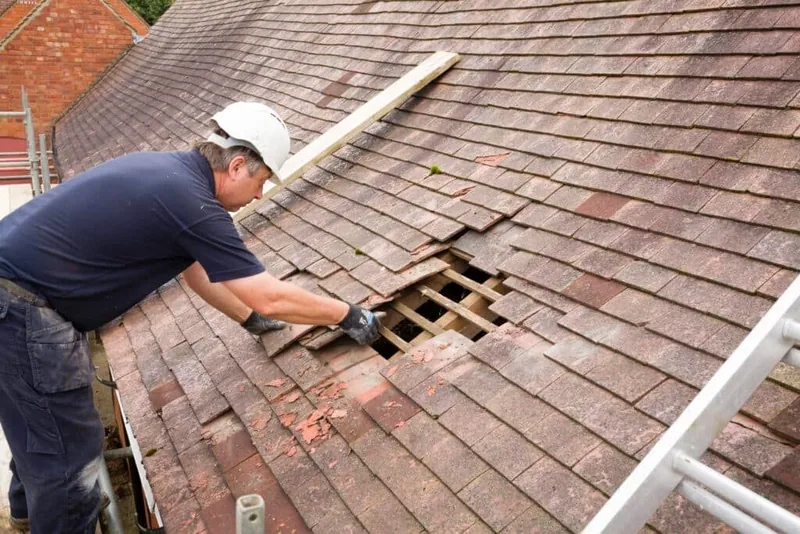
HSE's fragile-surface guidance explains why roof access cannot be judged by appearance. Stay on the ground for exterior observations and use only safely accessible indoor areas. A low roof or a surface that looks solid is not an invitation to walk on it. Leave inaccessible details to an appropriately equipped professional.
A practical checklist for recording roof condition
Review what you can see at intervals suited to the roof's condition and surroundings, and after weather that gives reason for concern. Date observations and use comparable viewpoints so a future assessor can identify changes.
Use this checklist as an enquiry record. Where a detail is not visible, write that down rather than assuming it is sound. Do not place a ladder against the gutter, move rooflights or disturb coverings to complete a missing entry.
- Coverings: from a safe ground position, note newly displaced tiles or slates, obvious damage and debris that may have fallen from above.
- Ridges, hips and edges: record apparent changes in alignment or loose material without standing beneath a potentially affected area.
- Junctions: note visible concerns around chimneys, rooflights and wall connections, recognising that many details need a closer professional inspection.
- Rainwater goods: observe overflow during rain from a safe place, staining below gutters and visible disconnections or obstructions.
- Flat roof drainage: report debris, repeated water retention or outlet concerns visible from an existing safe viewpoint; never step onto the roof.
- Indoors: record new stains, damp smells or visible roof-space moisture where safely accessible, including when symptoms follow rainfall.
- Records: retain dated photographs, inspection findings, completed work, product instructions and outstanding recommendations in one property file.
Prioritise rainwater routes and existing defects
Gutters and outlets need attention because an obstruction can interrupt the intended drainage route. Overflow does not always mean a gutter needs replacing: debris, local damage, alignment or downstream restrictions may need investigation. Ask the professional to identify the cause and check the connected route rather than clear one visible section without considering where the water goes next.
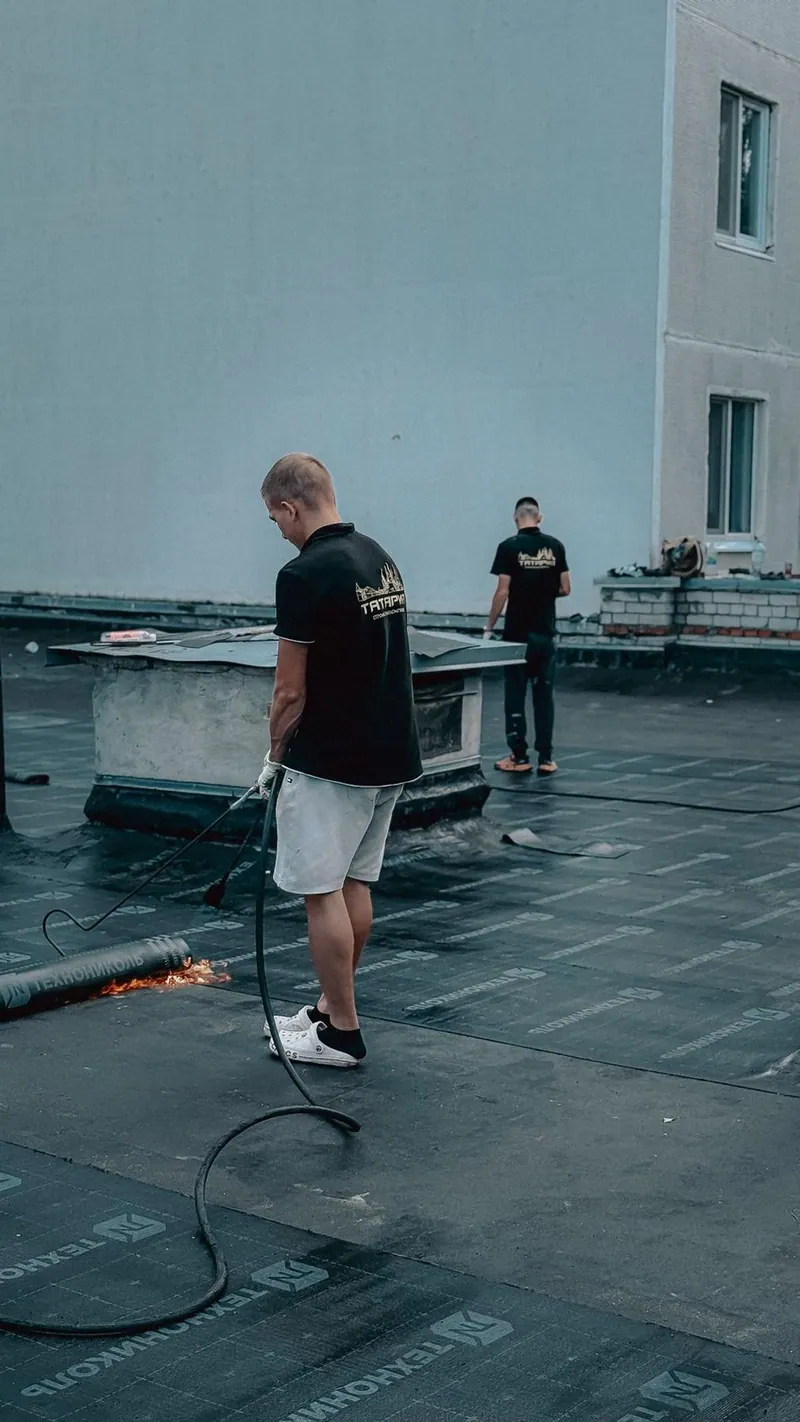
Flat-roof outlets and perimeter details also deserve attention. The waterproofing system, drainage arrangement and surrounding construction determine the appropriate checks. Avoid adding a coating, covering an outlet or puncturing a surface to drain water. Changes to waterproofing should follow the named system's requirements and an understood diagnosis.
Near trees in Danbury, record the timing and extent of fallen debris rather than assume every roof needs the same clearance schedule. An exposed roof may have different concerns. A professional maintenance plan should respond to the actual property, access arrangements and previous findings, with defects separated from routine cleaning.
Treat moss removal as a condition-led decision
Marley's moss and lichen guidance explains that modest growth does not automatically require removal. Its location, extent and effect on water flow matter. Where intervention is justified, discuss gentle manual removal and a compatible biocide treatment with a professional, rather than assuming a visibly cleaner roof will necessarily perform better.
High-pressure washing can damage tiles and force water or debris into unwanted places. Careful manual work also needs suitable access and a covering capable of tolerating the method. Biocide use requires product compatibility and controls for run-off and surrounding surfaces; chemical dosing is not a homeowner checklist task.
Ask for defects to be identified before cleaning and for gutters and outlets to be considered afterwards. Cleaning cannot repair broken units, insecure fixings or failed flashings. If assessment reveals substantial renewal or structural changes, pause the maintenance assumption and check the appropriate design and building-control requirements for the new scope.
When the checklist should lead to an inspection
Arrange an assessment for a new leak, recurring overflow, displaced coverings or a change that you cannot explain. Seek prompt professional help for active water entry, loose materials or ceiling distortion, keeping people away from the affected area. A planned maintenance visit and urgent protective work serve different purposes; describe the symptoms clearly when enquiring.
Photographs assist an initial enquiry to Chelmsford Roofing Experts, but an on-site inspection of roof details is needed for accurate diagnosis and a fixed quotation. A roof condition survey is not a full RICS structural building survey. Reports should identify inaccessible areas and any further investigation needed.
After work, update the property file with the findings, completed tasks and any remaining recommendations. Agree when the condition should next be reviewed rather than relying on an arbitrary universal interval. A useful record makes it easier to distinguish a recurring defect from a new issue and to plan proportionate attention.
Questions Before You Start
How often should I review my roof maintenance checklist?
Set a routine that reflects the roof's condition, surroundings and manufacturer guidance, with additional observations after relevant weather or a new symptom. A professional can recommend a review pattern after inspection. A universal interval cannot account for every tree-lined plot, roof design or existing defect.
Should all moss be removed as soon as it appears?
No. Limited growth can be mainly an appearance issue. Assess its extent and any effect on drainage or the covering before agreeing intervention. Where removal is appropriate, the method must suit the roof's condition, and gentle manual or compatible treatment options require professional planning.
Can I clear a flat roof because it is only one storey high?
Height does not establish that the surface is safe to access. Deck condition, rooflights, edges and the waterproofing all matter. Observe only from an existing safe position and arrange professional access for clearance or inspection. Do not use the maintenance checklist as a reason to walk onto the roof.
What records are most useful for future maintenance?
Keep dated photographs, roof product information, inspection reports and descriptions of completed repairs. Record where a symptom occurred and whether it changed after work. Include outstanding recommendations and access limitations so the next professional can understand the history without assuming uninspected areas were checked.
Make the next maintenance step specific
Share your observations and previous roof records with Chelmsford Roofing Experts. A condition-led discussion can help identify whether the next useful step is inspection, rainwater clearance, carefully planned cleaning or a defined repair, with suitable access arranged for the work.
Official and Technical Guidance