Flat Roof Material Choices
EPDM is a synthetic rubber membrane, GRP uses a reinforced resin laminate, and roofing felt systems use bituminous membranes. Each needs a suitable substrate, drainage and correctly formed details. Compare the complete specified build-up, installation conditions, future maintenance and repair compatibility rather than choosing by material name or advertised longevity.
The EPDM vs GRP vs felt roofing question is useful when it leads to a comparison of actual specifications. It becomes misleading when broad material labels stand in for complete roofs. This guide explains the practical differences, the questions to ask about an existing deck and why no single system suits every garage, dormer or kitchen extension.
What the three system names mean
EPDM is a synthetic rubber sheet membrane. The named system determines the adhesives, junction accessories and other components used with it. Sheet layout may reduce some field joints, but edges, outlets and penetrations still require careful detailing. PermaRoof's EPDM guidance illustrates why compatible accessories and preparation belong in the specification.
GRP means glass-reinforced plastic. In roofing, resin and reinforcement form a laminate on the specified substrate. Traditional systems commonly include a separate finishing topcoat, but product designs vary: Cure It ONE is an example of a system without that additional coat. Ask which product is proposed rather than assuming every GRP specification is identical.
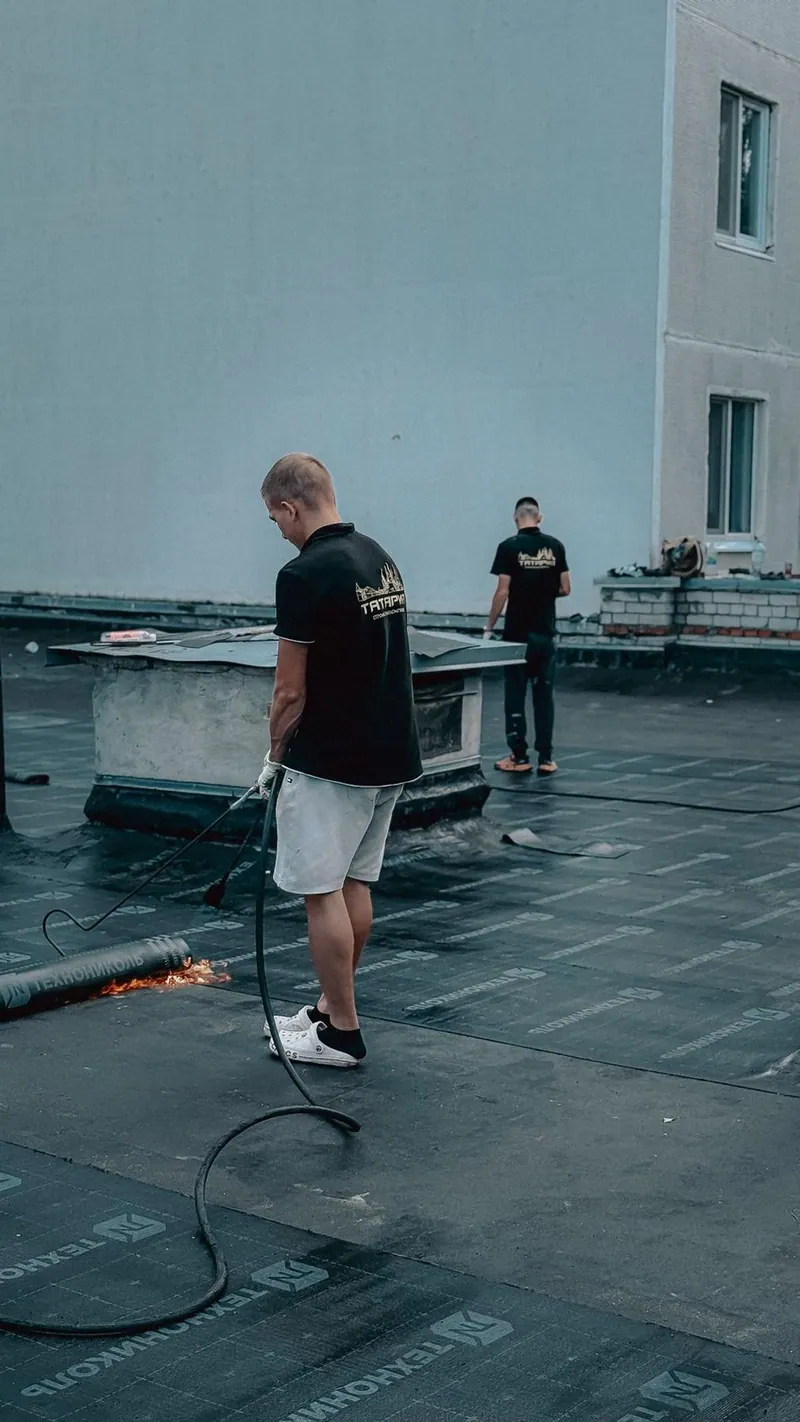
Roofing felt covers a range of bituminous membranes, including reinforced systems. It should not be confused with a single generic shed covering. IKO's product guidance includes torch-applied membranes and self-adhesive options. The application method and layer arrangement depend on the chosen system, not merely the word felt.
Compare practical characteristics rather than a league table
Each family includes different products and specifications. The table describes broad distinctions, not a promise about every manufacturer's system. Before selecting one, establish the roof's dimensions, intended use, existing deck and adjoining details. A small open garage roof and a roof crowded with rooflights present different detailing questions.
Installation conditions also matter. Ask how the programme will accommodate the chosen product's requirements and protect exposed areas if weather interrupts work. The response should refer to the named system instructions rather than an assurance that one material can be fitted in any conditions.
| System | Main distinction | Questions worth asking |
|---|---|---|
| EPDM | Rubber sheet with system-specific joints and accessories. | How will corners, wall junctions, outlets and any sheet joints be formed? |
| GRP | Reinforced resin laminate formed on the specified substrate. | Which deck, reinforcement, movement details and finishing arrangement are required? |
| Felt | Bituminous membrane system with specified layers and laps. | Which membranes and bonding method are proposed, and how will detail risks be managed? |
| All three | Waterproofing forms part of a complete roof assembly. | Are substrate, falls, insulation, moisture control and drainage included in the design? |
The existing deck and junctions can decide suitability
A covering change cannot be assessed properly without considering what supports it. Ask whether the existing substrate is being retained, replaced or inspected further after stripping. Dampness, inadequate support or unsuitable surface conditions need a defined response. Covering over an unresolved defect can leave the new waterproofing dependent on a failing component.
An overlay proposal needs its own justification. Compatibility, existing moisture and the ability to form dependable details should be established for the named system. Some products permit particular overlay arrangements; that does not make every old covering a suitable base for every new material. Request the relevant manufacturer specification and the findings supporting retention.
At a rooflight or wall, the available height and connection influence the detail. If insulation changes the finished roof level, those relationships need reviewing. Likewise, an outlet should be specified as part of the assembly. A quotation describing only the open roof surface leaves important weathering questions unanswered.
Read cost, lifespan and approval claims carefully
There is no meaningful price comparison until each proposal covers the same area, substrate work, insulation and junctions. One may renew a deck while another assumes it is sound. Check access, waste removal and the handling of concealed defects as well. The lowest material allowance does not establish the lowest cost for an equivalent roof.
A product's stated expectation or guarantee is conditional information, not a prediction of your roof's future. Ask who provides any guarantee, what components it covers and what installation or maintenance conditions apply. Do not convert one manufacturer's claim into a universal lifespan for the whole material family.
For a heated extension in Galleywood, waterproofing renewal may raise thermal and building-control questions as well as material selection. Confirm those requirements before finalising roof levels and details. The roof replacement regulations article provides context, while the project needs its own confirmed compliance route.
When a roof assessment should come before material selection
Arrange an assessment if a roof leaks repeatedly, shows uncertain previous repairs or has an unknown deck condition. Ask the roofer to explain whether the defect is local and whether the existing assembly can support the proposed solution. A surface photograph cannot establish hidden condition or make a particular system suitable.
Photographs assist an initial enquiry to Chelmsford Roofing Experts, but an on-site inspection of roof details is needed for accurate diagnosis and a fixed quotation. A roof condition survey is not a full RICS structural building survey. Structural concerns or a change in intended roof use may need additional design advice.
Use the flat roofing parent for the overall system discussion. The specialist pages explain EPDM, GRP and felt scopes individually once the roof's requirements are understood. Selection should follow a reasoned specification that identifies both the waterproofing and the layers beneath it.
Questions Before You Start
Is EPDM always installed as one uninterrupted sheet?
No. Sheet size, roof geometry and the particular system influence the layout. Even where the main area uses one sheet, corners, outlets and other junctions still require compatible details. Ask for the proposed layout and accessories rather than assuming there are no connections to maintain.
Does every GRP roof need a separate topcoat?
No. Traditional GRP roofing commonly uses a laminate and finishing coat, but newer named systems can differ. Cure It ONE is one example. The quotation should identify the actual product and its specified build-up, so its installation requirements are clear before comparison.
Must roofing felt be applied with a torch?
No. Bituminous roofing products include different application methods, and self-adhesive options are available. The chosen system and detail determine the method. Ask how application risks are assessed and managed, especially around sensitive junctions, rather than assuming the material name dictates a single approach.
Can any of these materials turn a roof into a terrace?
A waterproof covering does not establish suitability for regular foot traffic. Structure, access, guarding and an appropriate protected surface need consideration as part of a designed terrace. Explain the intended use before specification; do not assume a domestic flat roof is safe to walk on.
Choose a specification that fits the roof
Share the roof's use, known problems and any earlier specifications with Chelmsford Roofing Experts. An assessment can identify the substrate and detailing questions that should be settled before comparing named EPDM, GRP or felt systems for the agreed work.
2 responses