Understanding Your Options
Repair is worth considering when a defect is localised and surrounding roof components remain serviceable. Replacement becomes more relevant when deterioration is widespread or repeated repairs cannot address underlying failures. The decision requires evidence about coverings, supporting layers, junctions and structure, together with safe access and a clearly defined scope.
A leaking roof does not automatically need replacing, and a tidy exterior does not prove that everything beneath it is sound. The useful question in roof repair vs roof replacement is whether the proposed work addresses the cause and leaves a credible roof assembly. This guide sets out the evidence to request before choosing either option.
Understand what each recommendation means
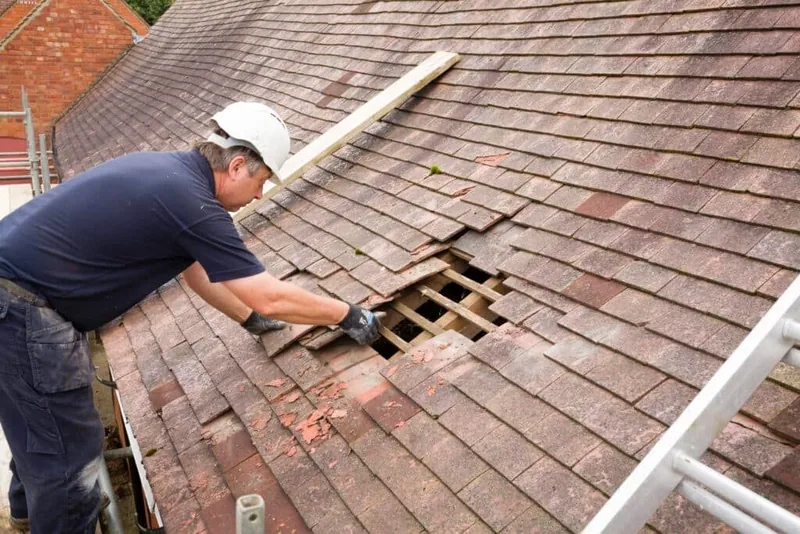
A repair addresses a defined defect, such as a displaced tile, failed flashing or damaged membrane detail. It may include opening a limited area to examine the layers below. A permanent repair should restore the relevant weathering arrangement; a temporary covering intended to limit immediate water entry has a different purpose and needs follow-up.
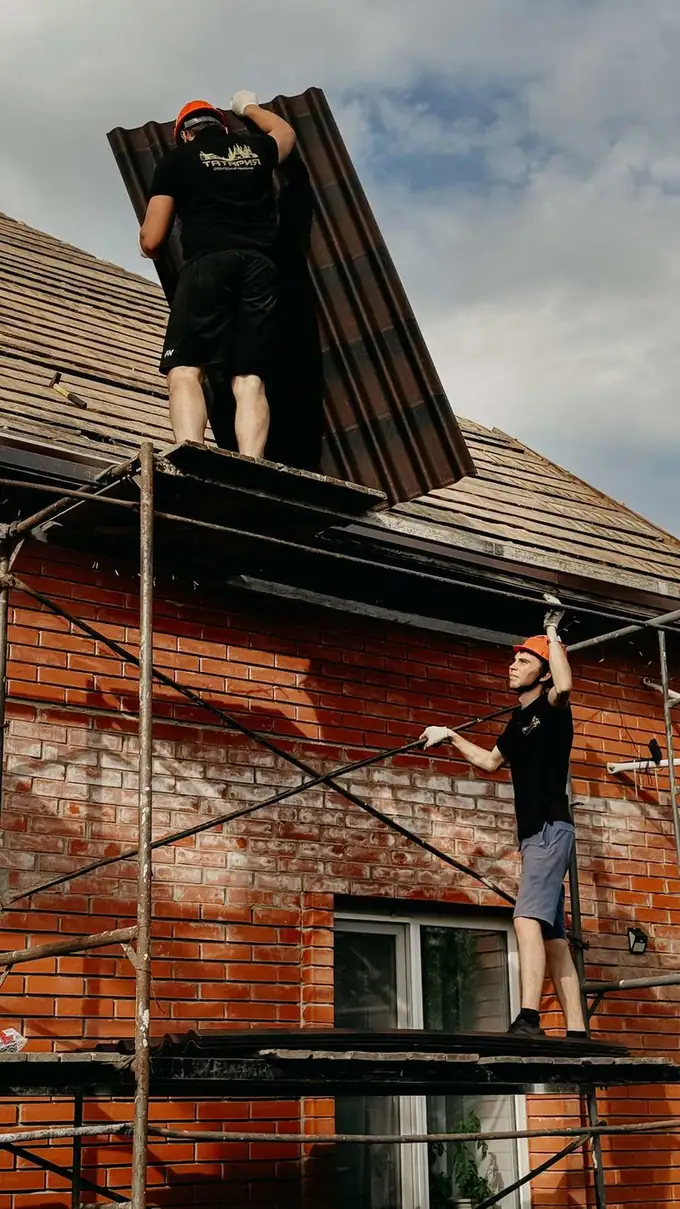
Replacement renews an agreed area or assembly. It can involve the covering and supporting layers without rebuilding every structural timber. Ask what replacement means in the particular recommendation: one flat extension, a single slope or the whole main roof. The extent matters when comparing cost, disruption and the condition of what remains.
Partial renewal can sometimes be considered between those options, but the boundary needs careful detailing. A new area has to meet the retained roof properly. The assessor should explain how adjoining coverings, underlay, drainage and junctions would work together rather than leaving a vulnerable join between old and new.
Evidence that helps distinguish the options
Start with the distribution of defects. One damaged tile after an identifiable event is different from repeated slipping across several slopes. Likewise, a leak at one rooflight may be a junction problem even when the main covering is sound. The number of leaks alone does not establish the condition of every roof component.
The table offers questions to investigate, not a remote diagnosis. A photograph can show an obvious defect while concealing weak fixings or wet decking. Ask for findings that connect visible symptoms to the recommended work and identify which areas were actually accessible.
| Finding | Repair question | Replacement question |
|---|---|---|
| Isolated covering damage | Can compatible units restore the local detail? | Is wider deterioration also present? |
| Repeated leaks at one junction | Has the underlying junction defect been identified? | Would wider renewal solve anything beyond that defect? |
| Widespread covering failure | Will local work leave other vulnerable areas? | Which roof areas and layers require renewal? |
| Deteriorated supporting layers | Can they be accessed and repaired locally? | Does their extent justify opening a larger area? |
| Distortion or structural concern | Is specialist investigation required first? | What designed structural work would renewal depend on? |
Read repair history without jumping to conclusions
Repeated repairs can mean widespread decline, but they can also mean that the original cause was never found. A stain beside a chimney might persist because earlier work treated a nearby tile rather than the flashing or masonry junction. Request an explanation of previous interventions and why the next proposal is expected to address the cause.
Consider the condition of retained components. Sound slates do not establish that their fixings are sound, and a new membrane cannot compensate for an unsuitable deck. Where the recommendation depends on hidden layers, ask whether a limited opening or further investigation is needed before a firm conclusion is possible.
Keep urgency separate from the final investment decision. Active water entry or loose material may require immediate protective work while the wider condition is assessed. Temporary weatherproofing should be described as temporary, with its limitations and the permanent work still to be considered. An urgent symptom does not itself decide the eventual scope.
Common pitfalls and approval questions
Avoid choosing solely by roof age, appearance or the smallest initial total. A well-scoped repair may be proportionate, while repeated access and unsuccessful patching can make a poorly defined approach expensive. Compare what each proposal resolves, what remains and which future work is foreseeable. Do not accept a promised remaining lifespan without a stated basis.
If the scope expands to substantial renewal, check building-control requirements before agreeing the work. GOV.UK Building Regulations Approval is the starting point for replacement coverings. Materials, structural changes and thermal work can affect the necessary specification, so a repair quotation and a renewal quotation may not share the same compliance tasks.
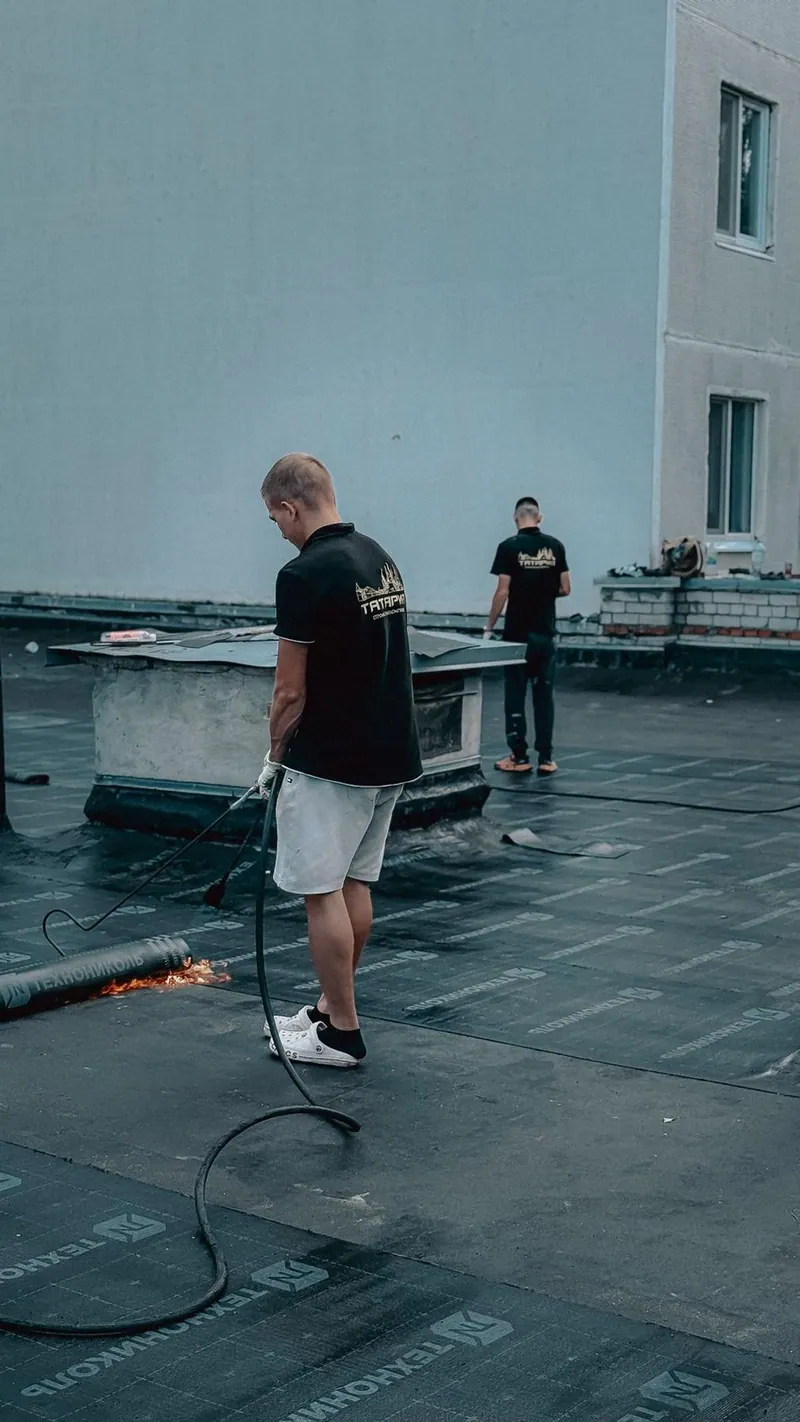
A 1930s hipped roof in Great Baddow and a later flat kitchen extension should be assessed as distinct assemblies. Replacing one does not automatically justify replacing the other. Ask for separately described recommendations where different roof areas have different conditions.
When to request a professional comparison
An assessment is useful when recommendations conflict, leaks return or visible defects occur across several areas. Ask for a description of the defect, supporting photographs, the extent of inspection and a reasoned comparison of feasible options. Where structural movement is suspected, a suitable structural specialist may be needed before roofing work is specified.
Photographs assist an initial enquiry to Chelmsford Roofing Experts, but inspecting roof details on site is needed for accurate diagnosis and a fixed quotation. A roof survey is not a full RICS structural building survey. Its agreed scope and access limitations should be clear before you rely on its conclusions.
Use the repair page for defined remedial work and the replacement page for renewal scope. If you are still establishing the condition, the inspection service is the more useful starting point. The objective is a recommendation supported by findings that you can understand.
Questions Before You Start
Does one roof leak mean the whole roof has failed?
No. Water may enter through a local defect or junction while the surrounding covering remains serviceable. The leak needs investigation because the visible stain may not identify its source. Wider renewal should be supported by evidence of wider problems, rather than inferred from one symptom.
Can a roof be too old to repair?
Age can provide context, but condition and repair feasibility matter more. Compatible materials, sound neighbouring components and dependable fixings may support local work. Widespread deterioration or inaccessible failed layers may change the recommendation. An assessment should explain the practical limitation rather than rely on age alone.
Is partial replacement always a useful compromise?
Only where the retained and renewed areas can work together properly. Their junction, drainage and supporting layers need consideration. Partial work can leave unresolved defects elsewhere, so request a clear boundary and an explanation of the condition of the roof that will remain.
What should I request when contractors disagree?
Ask each to identify the defects observed, the parts inspected and why their scope addresses the cause. Compare assumptions and exclusions. If the disagreement concerns hidden condition or structure, further inspection or specialist advice may be more useful than obtaining another unexplained total.
Base the decision on the findings
Bring together photographs, previous repair details and the recommendations you have received. Chelmsford Roofing Experts can discuss an assessment so the condition of your roof, the practical options and the remaining uncertainties are clear before you choose a scope.
Official and Technical Guidance