
Recognising Water Entry
Look for new ceiling stains, damp loft timbers, wet insulation and changes after rainfall, recording observations from safe accessible places. A stain may appear away from the entry point. Roof leaks, condensation and plumbing faults can look similar, so professional inspection should establish the source before repair work is specified.
Finding a roof leak starts with collecting useful evidence, not climbing onto the covering. The timing of a drip, the position of a stain and the weather when it appears can help a roofer investigate. This guide explains common roof leak signs, what they might mean and the limits of checks you can make safely at home.
A water stain is a clue rather than a diagnosis
Water ingress means unwanted water entering the building. A roof leak is one possible cause, but damp patches can also relate to plumbing, rainwater goods or condensation. The visible mark shows where moisture reached a surface; it does not prove which exterior component failed. Water can follow concealed layers or timbers before becoming visible indoors.
Flashing is the weathering material at a junction, such as where a roof meets a wall or chimney. A valley gathers water between adjoining slopes. Underlay sits below many pitched coverings as part of the roof assembly. These terms help locate a concern, but identifying a nearby component is not enough to confirm that it caused the stain.
Note whether the mark is new, growing or left from an earlier event. Decoration can hide an old stain without resolving its cause, while a dry mark may remain after successful repair. A dated record is more informative than judging one photograph in isolation.
A safe diagnostic checklist for homeowners
Keep observations to ground level and safely accessible indoor areas. HSE guidance on fragile surfaces explains why roof coverings and rooflights cannot be assumed to support a person. Do not walk on a flat roof, climb out of a window or enter an unsafe loft to improve a photograph. If the area is inaccessible, record that limitation.
The following checklist creates an enquiry record rather than a repair plan. Leave lifting coverings, testing junctions and opening concealed areas to people with appropriate access and competence. Never hose a roof to recreate a leak yourself.
- Record the room, ceiling or wall affected and photograph the whole area as well as the mark, adding a date for comparison.
- Note whether moisture follows rainfall, wind from a particular direction or dry cold weather; include delays between rain and visible dripping.
- From the ground, look for displaced coverings, overflowing gutters or obvious damage without standing beneath loose materials.
- If the loft is already safely accessible, report visible dampness without stepping between joists, moving insulation or disturbing services.
- List nearby plumbing, bathrooms, rooflights and chimney positions so the investigation can consider alternative sources and junctions.
- Keep people away from a bulging ceiling, falling debris or water near electrical fittings, and seek urgent professional help.
Common causes that an inspection may investigate
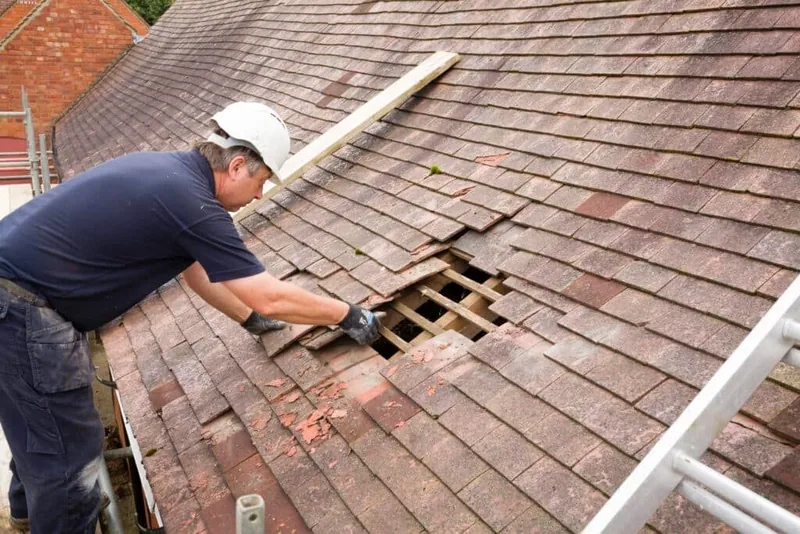
On pitched roofs, displaced or broken coverings can expose vulnerable areas, but the surrounding laps, fixings and supporting layers also need checking. Chimney flashings, abutments and valleys deserve attention where symptoms occur nearby. A blocked gutter can overflow at the eaves and create dampness that is mistaken for failure higher up the slope.
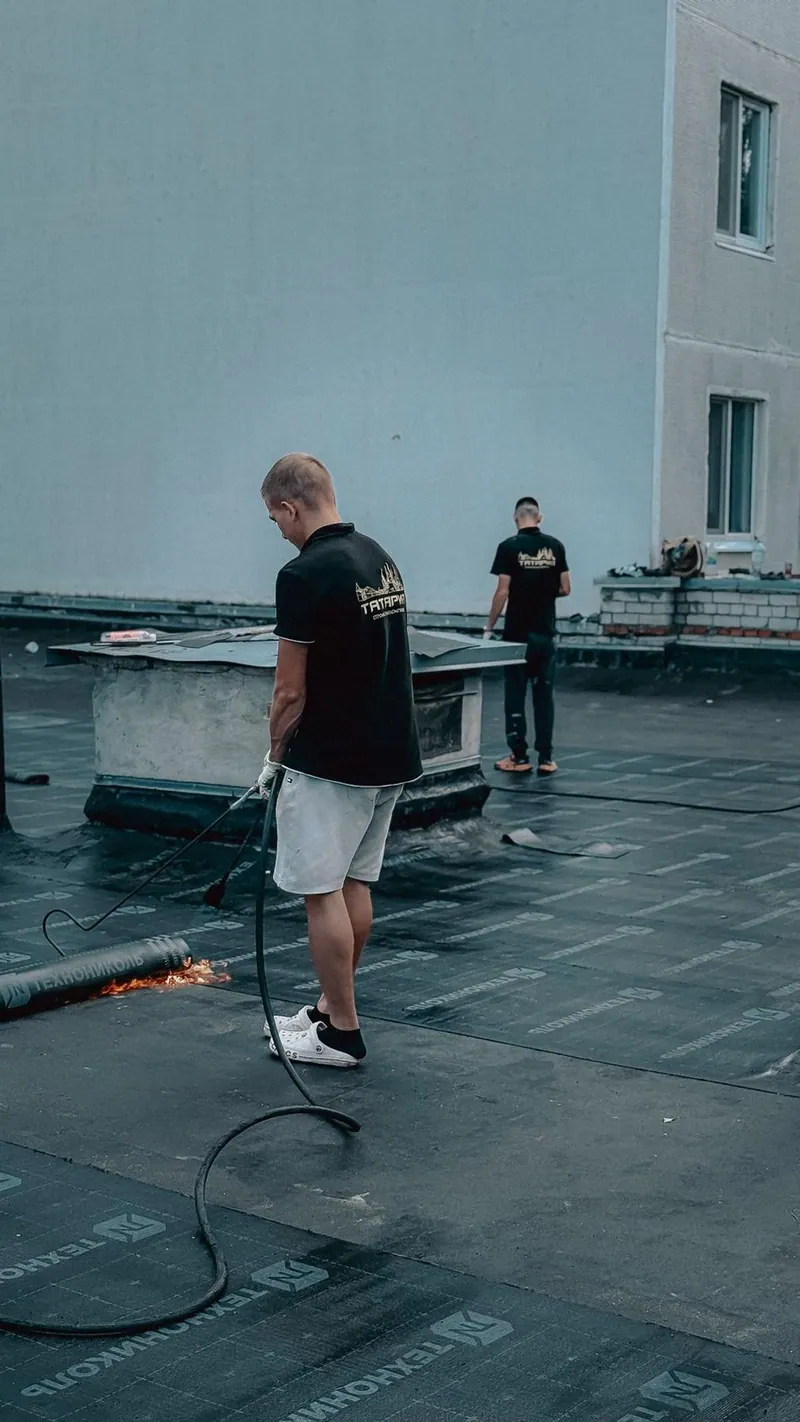
On flat roofs, the relevant question may concern an outlet, perimeter trim, rooflight kerb or wall junction rather than the open surface. Water remaining on the roof is useful information, but its significance depends on drainage design and the particular system. A distant view cannot establish membrane condition or whether the deck beneath is sound.
An extension in Springfield may meet an older main wall, creating several different junctions above the same room. If the stain sits close to that connection, describe both roof areas in the enquiry. Concentrating only on the most obvious covering can leave the actual entry route unexamined.
Distinguish leaks from condensation and avoid premature fixes
NHBC's guidance on condensation in roof spaces explains how moisture in warm air can condense on colder surfaces. Widespread droplets or dampness during cold conditions may prompt a condensation investigation, but those observations do not rule out rainwater entry. A property can have more than one moisture problem at the same time.
Tell the assessor about recent insulation changes, ventilation alterations and extractor arrangements as well as rainfall patterns. Do not remove insulation or block vents as an experiment. The investigation should consider how moisture reaches the area and how the existing roof assembly is intended to manage it.
Avoid applying a surface sealant wherever a stain seems to point. That can obscure evidence without correcting a failed junction. If the eventual scope expands from a local repair to renewal or structural alteration, check the relevant building-control requirements. The regulations article explains those separate decisions in more detail.
When professional diagnosis is needed
Book an assessment for an unexplained new stain, recurring drip, wet loft material or a leak that returns after previous work. Escalate promptly when water entry is active or loose material creates danger. Temporary protection and a lasting repair are different tasks, so ask which is being proposed and what still needs investigation.
Photographs help Chelmsford Roofing Experts plan an initial discussion, but an on-site inspection of the roof details is needed for accurate diagnosis and a fixed quotation. Explain what has already been repaired and whether the symptom changed. A roof inspection is not a full RICS structural building survey; specialist structural advice may be needed for movement or significant timber concerns.
Questions Before You Start
Can a roof leak show up after the rain stops?
Yes. Water can take time to reach an internal surface, and materials may remain wet after rainfall. Record the timing rather than assuming dry weather excludes a roof problem. The investigation should consider the route water could follow and other possible moisture sources.
Does a stain beside a chimney prove the flashing is faulty?
No. Flashing is one detail to examine, but nearby coverings, masonry and other junctions may also be involved. Tell the roofer where the stain appears and when it changes. An inspection should establish the source before a particular component is selected for repair.
What if the loft is damp but there is no ceiling stain?
Moisture may be present before it becomes visible in a room. Condensation, rainwater entry and other sources should be considered. Report visible wetness from a safe position and arrange an assessment; the absence of decoration damage does not establish that the roof is dry.
Can I wait for another storm to confirm the source?
Further weather records may help, but unexplained moisture should not be left to worsen simply to obtain proof. Share the evidence you already have. Active leaks, vulnerable electrical fittings, ceiling distortion or loose materials need prompt professional attention and safe separation from the affected area.
Turn your observations into a useful enquiry
Send ground-level photographs, the location of the dampness and a short account of when it appears. Chelmsford Roofing Experts can discuss the inspection needed to investigate the cause and distinguish any immediate protective work from the permanent repair.
Official and Technical Guidance

2 responses