
Roofing Costs Explained
Roof replacement costs in Chelmsford depend on roof size, shape, covering, access, insulation and the condition beneath the existing surface. A quotation separates these items and explains uncertain work. Photographs support an initial discussion, but inspecting the roof in person is essential before agreeing an accurate scope and fixed quotation.
Searching for a roof replacement cost in Chelmsford usually starts with a straightforward question: what should I budget? The difficulty is that two roofs which look similar from the road can need very different work. This guide explains the variables, how to compare written quotations and which questions help turn a rough allowance into a decision you can assess.
What does a roof replacement quotation actually cover?
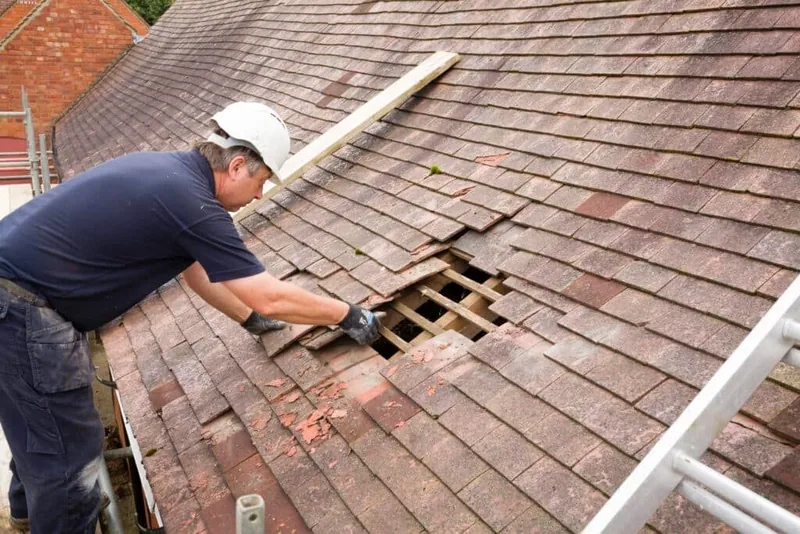
Re-covering generally means renewing the weatherproof covering and specified supporting layers. It does not automatically mean rebuilding the entire roof structure. A quotation should distinguish tiles or slates, underlay, battens and fixings from repairs to rafters, roof decking or other concealed components. The word replacement alone leaves too much room for different interpretations.
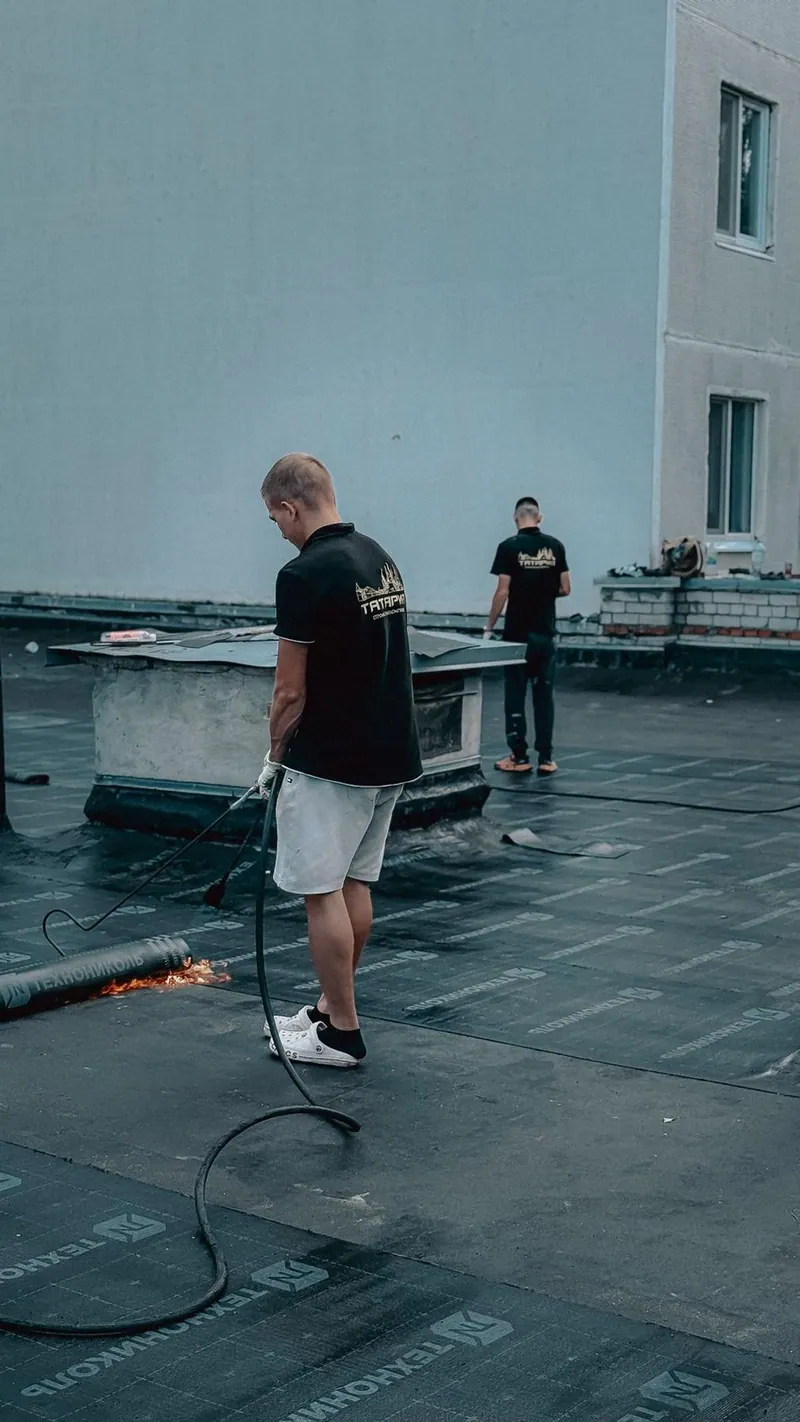
A pitched roof and a flat extension roof also have different assemblies. On a pitched roof, junctions such as valleys and chimney flashings can form a significant part of the work. On a flat roof, the deck, insulation arrangement, perimeter details and outlets influence the specification. Ask which components are being retained and why they are considered suitable.
A budget estimate is an early planning figure based on stated assumptions. A fixed quotation needs an inspected, defined scope. Neither should hide the possibility of concealed deterioration: the document should explain how genuinely unforeseen work would be evidenced, priced and authorised.
The variables that change the overall cost
Roof area matters, but complexity can matter just as much. A simple uninterrupted slope differs from a roof with hips, dormers, adjoining walls and several valleys. Each junction needs its own weathering detail. Ordering a covering without allowing for those details produces an incomplete comparison, even when both quotations describe the same material.
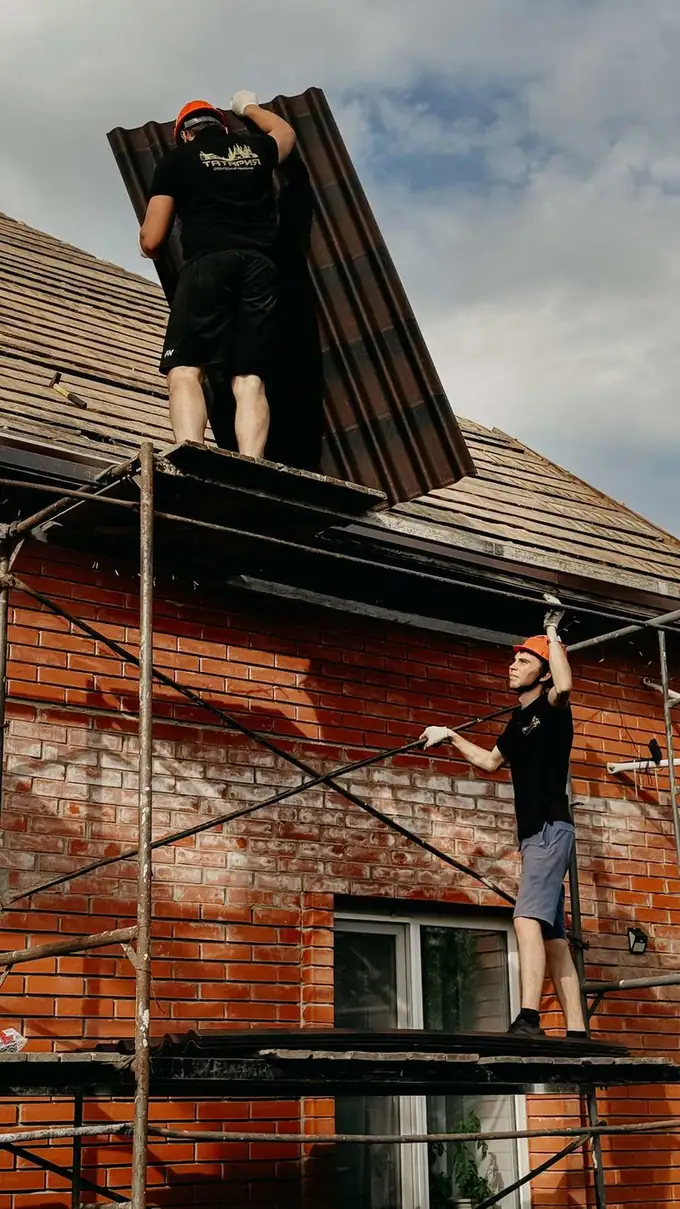
Access is property specific. A terrace in Moulsham may have restricted rear access, while an extension may sit beneath a main roof that complicates scaffolding. Neighbouring land, conservatories and the position of waste containers also affect planning. These are practical questions for a site visit rather than reasons to assume a standard local price.
| Cost factor | What to clarify |
|---|---|
| Covering and fittings | Exact product, compatible ridge or hip components and proposed fixing specification. |
| Access and protection | Scaffolding extent, protection of adjoining roofs and arrangements for shared access. |
| Hidden condition | Which timbers or deck areas were inspected and how additional defects would be handled. |
| Insulation and junctions | Whether thermal upgrades, ventilation details and flashings are included. |
| Completion costs | Waste removal, relevant building-control fees, VAT treatment and handover documents. |
Compare scope before comparing the total
Place the quotations beside one another and check that they describe the same roof area. One may cover the main slopes while another includes a porch or rear addition. Check whether chimney work, rooflights, gutters and decorative details are included, excluded or offered separately. Optional improvements should remain distinguishable from work needed to make the agreed roof sound.
Material names need detail. Natural slate, clay tiles and concrete tiles each include different products and installation requirements. A flat-roof proposal should identify the named waterproofing system and complete build-up, rather than simply promising a new rubber or felt roof. Ask for the technical reason behind any material change.
Keep a written list of assumptions. If the deck cannot be fully assessed until stripping begins, ask how that limitation affects the price. Agree that additional work requires an explanation and approval before proceeding. A clear change process makes uncertainty manageable without pretending that every concealed surface has already been examined.
Allow for approvals and the work they may affect
GOV.UK Building Regulations Approval identifies replacement roof coverings as work that can require approval. The Planning Portal guidance on work to an existing roof considers scope, affected areas and changes to structure, covering weight or fire performance. An isolated percentage taken from another project is not enough to determine the requirements for yours.
Energy-efficiency work may also affect the scope. Ask the designer or building-control body which Part L guidance applies and what insulation provision is required. Roof thickness, ventilation and adjoining details should be considered together. A quotation that leaves these questions unresolved may need revision once the compliance route is established.
Planning permission is a separate question. Where appearance, designation or proposed alterations raise concerns, establish the position before ordering materials. Include responsibility for enquiries, applications and completion evidence in the project paperwork rather than assuming these tasks sit with someone else.
When an assessment makes budgeting more useful
Arrange an assessment when leaks recur, several areas need attention or quotations recommend substantially different solutions. Ask the assessor to explain whether a targeted repair remains credible and which findings support renewal. Replacement should follow the roof's condition and your intended scope, rather than a general assumption based on age.
Photographs help Chelmsford Roofing Experts understand the enquiry, but an on-site inspection of roof details is needed for accurate diagnosis and a fixed quotation. Provide any earlier reports, repair records and information about inaccessible areas. A roof condition assessment is roof specific and is not a full RICS structural building survey.
For budgeting, request a summary of the recommended work, alternative scopes where appropriate and the assumptions that still need confirmation. You can then discuss timing, access and disruption with a clearer understanding of what the proposed total is buying.
Questions Before You Start
Can a price per square metre tell me the final cost?
It can omit access, junctions, stripping, insulation and concealed repairs. Even a measured area does not describe the whole job. Use any area-based figure only alongside an explicit list of inclusions and assumptions, then compare inspected quotations for the same work.
Why might two roof replacement quotations differ?
They may specify different coverings, access arrangements or levels of preparation. One may retain flashings or decking that another proposes to renew. Ask each contractor to explain the differences in writing before deciding that the cheaper total represents the same outcome.
Should replacement guttering be included automatically?
No. Gutters may be serviceable or may need separate attention. Check whether removal, reinstatement or replacement is included where roof work affects them. If new rainwater goods are optional, keeping them as a separate item makes the overall scope easier to compare.
Does a fixed quotation remove every possible uncertainty?
It fixes the price for the defined work on the stated terms. Concealed conditions may remain unconfirmed before stripping. Read the exclusions and agree how new findings will be recorded and authorised, so additional work cannot quietly become an assumed part of the project.
Make your budget specific to your roof
Gather your photographs, earlier repair details and any quotations you want to understand. Chelmsford Roofing Experts can discuss the next assessment step and help identify the scope questions that need answering before you commit to replacement.
Official and Technical Guidance
2 responses