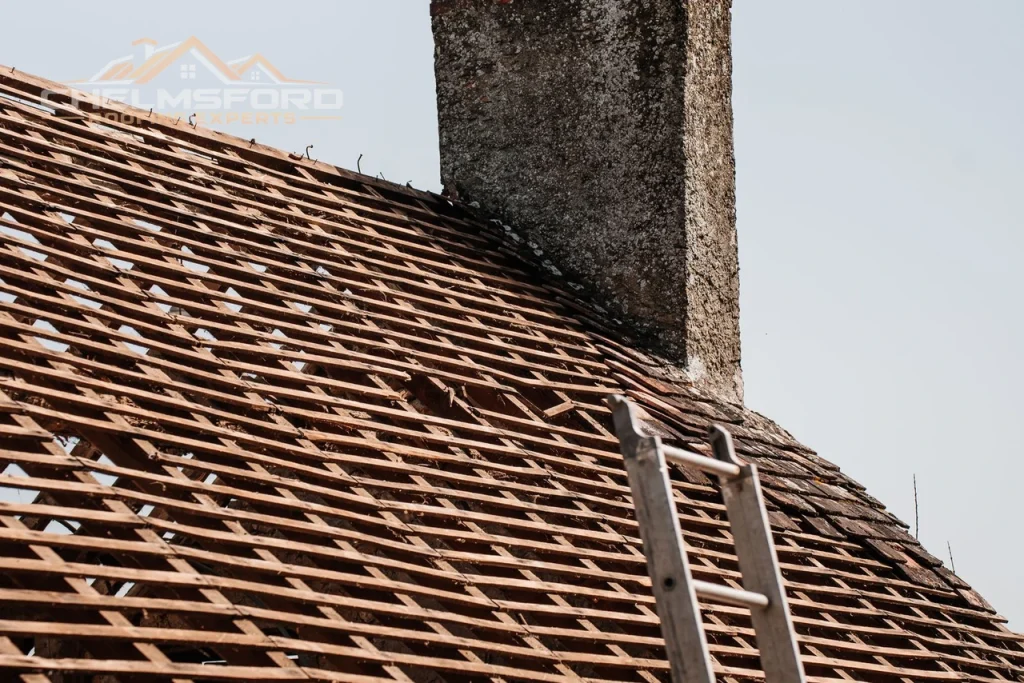
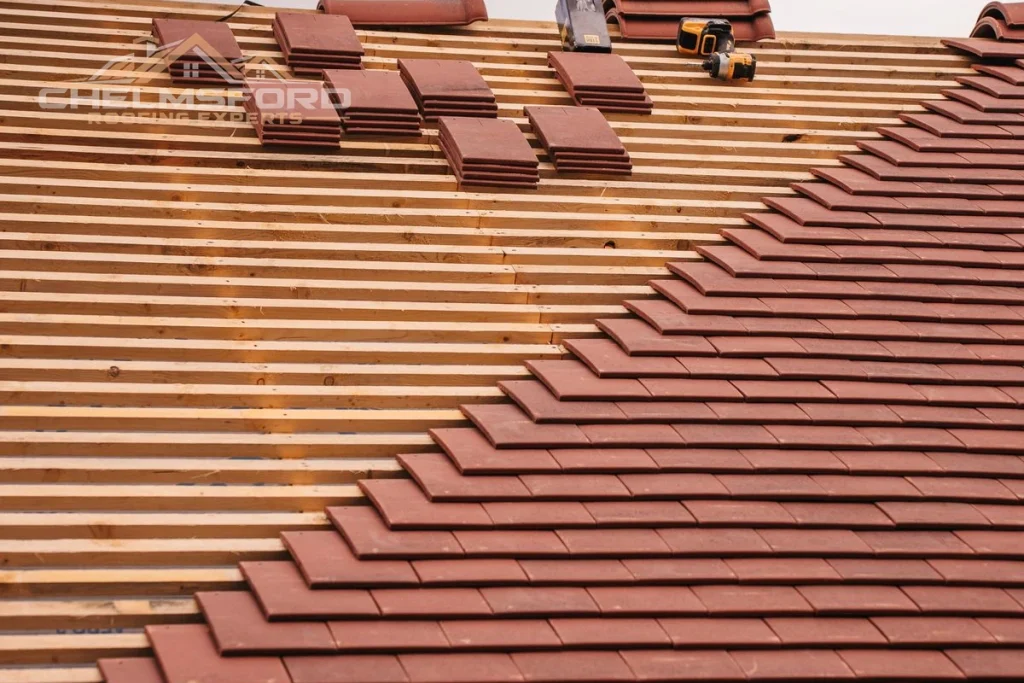
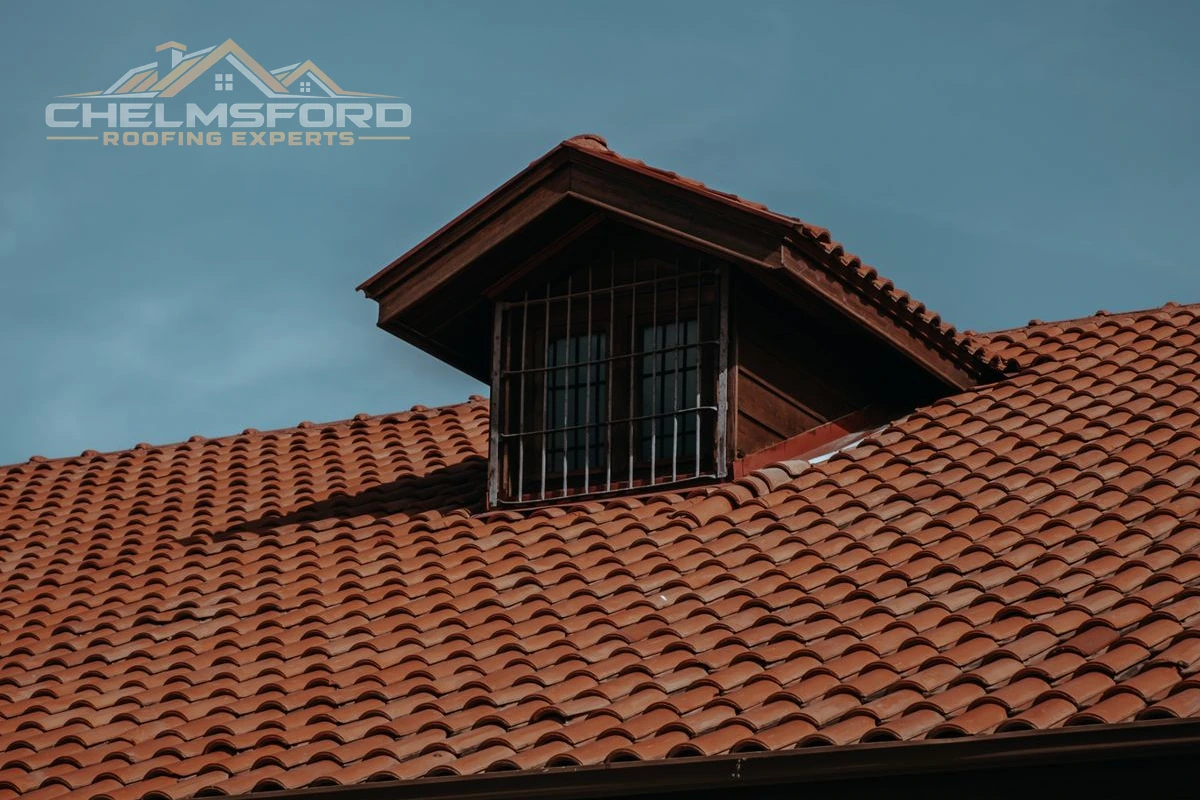
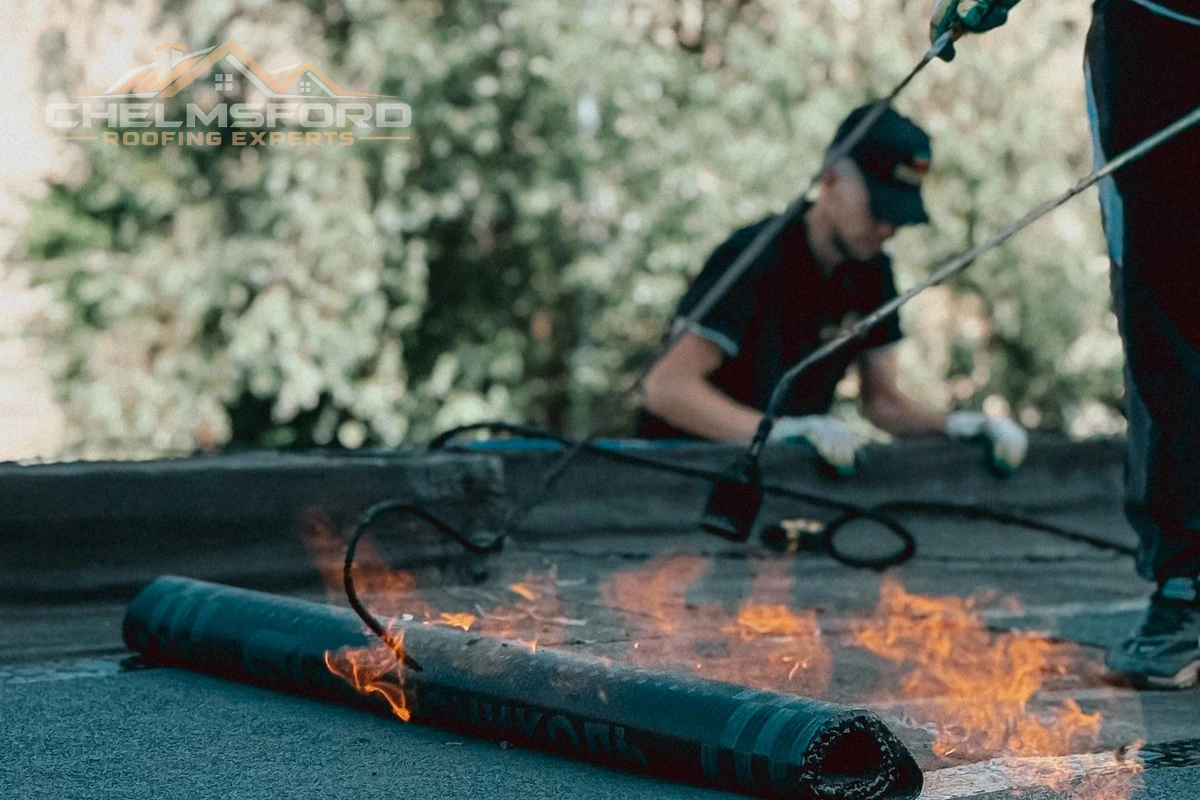
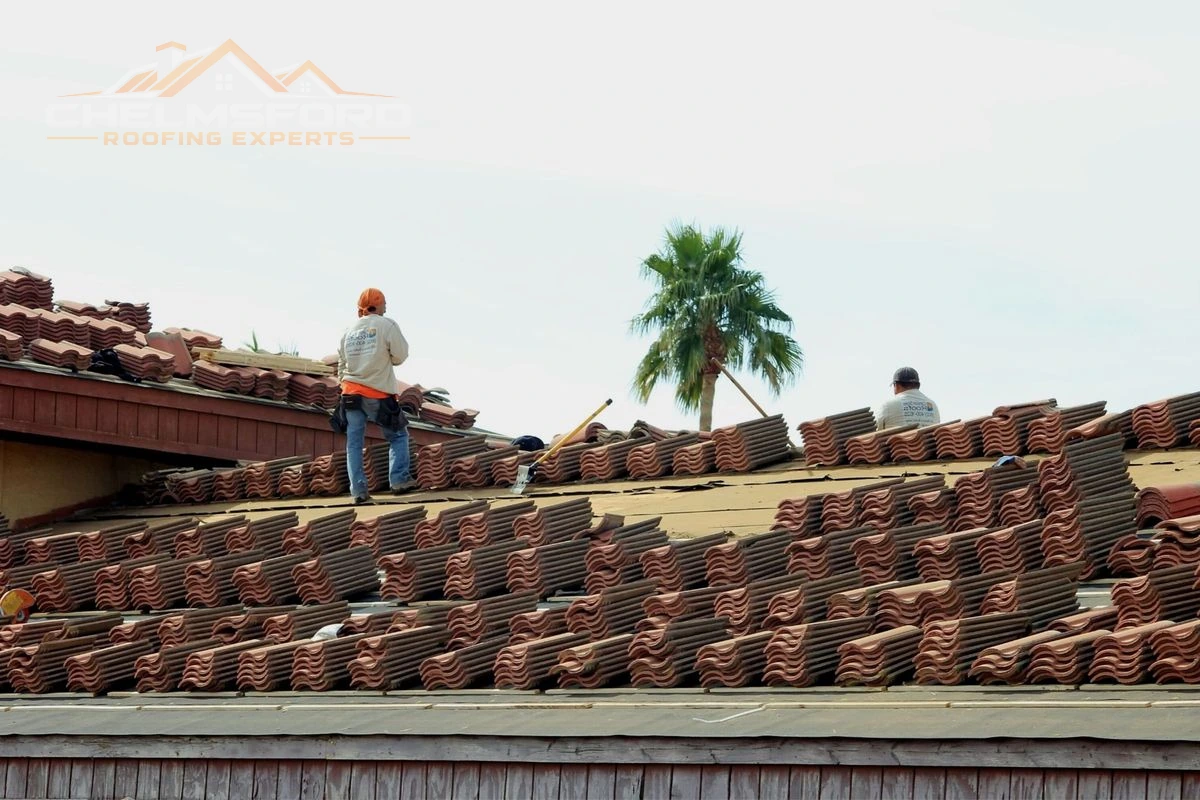
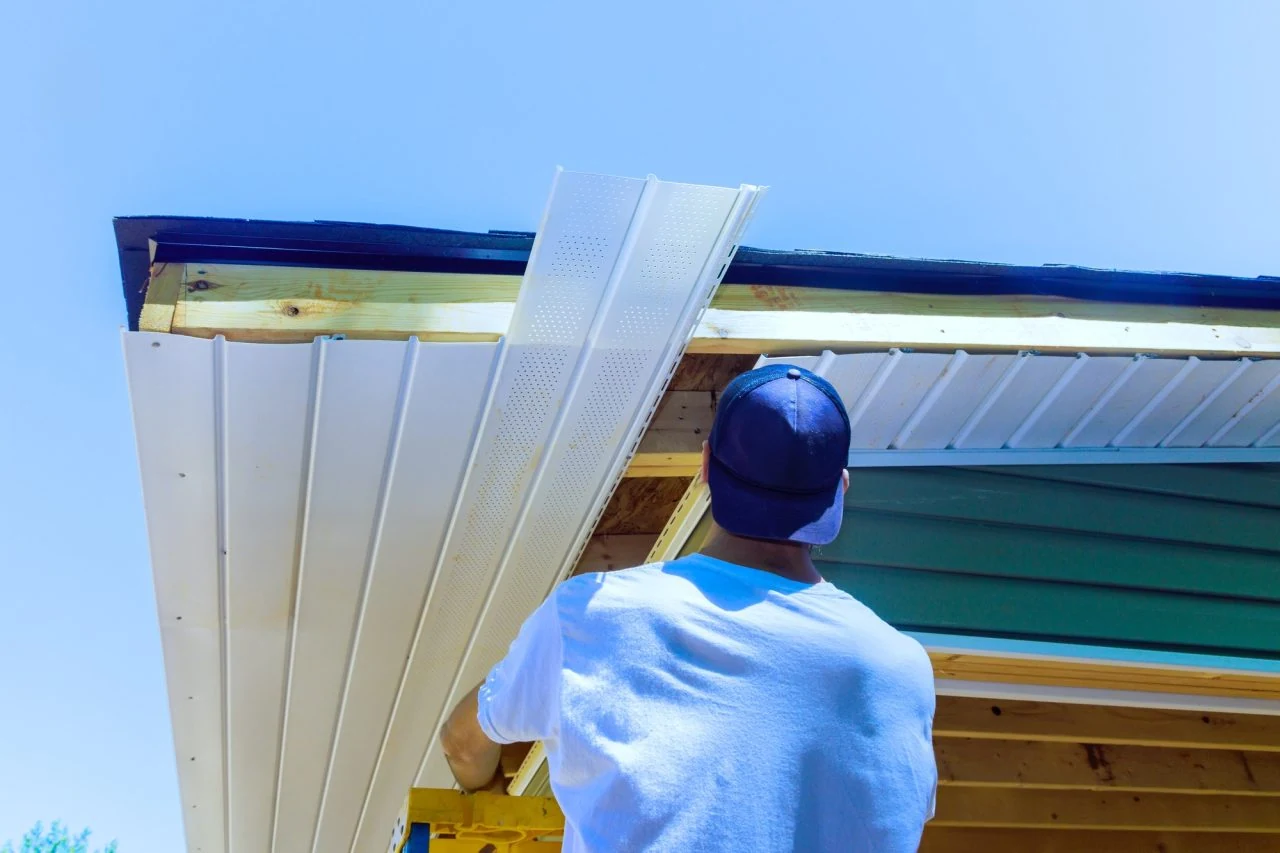
A useful roofing case study explains the problem, the agreed work and the details checked at completion. Chelmsford Roofing Experts does not currently have genuine local project photographs to publish. This page sets out the evidence a future case study should include; any illustrative roofing imagery should be identified as illustrative and not presented as client work.
A completed roof photograph can show appearance, but it rarely explains why the work was necessary or what happened beneath the visible covering. Meaningful project evidence connects the original concern to inspection findings, an agreed scope and the finished weathering details. That connection matters when deciding whether a contractor’s example is relevant to the problem at your property.
Roofing work for properties across Chelmsford and surrounding areas.
Roof Repairs & Maintenance
Repairs and maintenance for damaged, worn or leaking roofs.
Clear Roofing Advice
Straightforward advice based on the roofing work your property needs.
Chelmsford Roofing Work
Roof tiling, flat roofing, fascias, guttering, cladding and more.
Illustrative Roof Types
Roofing Services & Project Work in Chelmsford
Roof Tiling
Roof Tiling in Chelmsford
Use case studies to understand the questions a similar roof may raise, rather than treating one project’s specification as an instruction for every building. Two apparently similar houses can differ in supporting layers, alterations and access. Even neighbouring roofs in Widford may have different extension junctions or repair histories. Your own recommendation should follow an assessment of your roof, with any limits recorded clearly.
Each verified project should follow the same clear structure, allowing you to compare the starting point, extent of work and evidence of completion. The record should identify whether the work is planned, ongoing or complete, so an image taken during preparation is understood in its proper context.
Record the concern that prompted the enquiry and the defects confirmed during inspection. Photographs should show the affected area in context as well as relevant details. Separate a customer’s reported symptom from the cause established on site, and identify concealed or inaccessible areas that could not be assessed at that stage.
Identify the roof form, covering material and broad Chelmsford location, with the owner’s permission. Explain whether the work concerns the main roof, an extension, a garage or a non-domestic building. Include access constraints that affected the project, while keeping private addresses and identifying information out of the public account unless authorised.
03 Agreed Scope
Describe the specific area and elements included in the quotation. Explain the intended outcome and any adjoining details that formed part of the work. The record should also identify exclusions and assumptions, particularly where retained coverings, concealed timbers or connections to other building elements could affect the extent of the instruction.
Explain the work actually carried out and record any agreed changes from the original instruction. Relevant photographs may show preparation, supporting layers and weathering connections before they are concealed. State the materials or system used only when job records confirm them, and distinguish completed work from items that remain scheduled or outstanding.
Describe which finished details were checked, such as roof edges, junctions, outlets and the connection to adjoining coverings. Record the date and project status, together with any limitations or outstanding actions. Completion photographs should support that account; a visual check should not be presented as a promise of future performance in every condition.
Tell Chelmsford Roofing Experts which roof detail or project question you want to understand. Share your property type and photographs taken safely from ground level if available. Request a free roof inspection to assess your own property, with scope, access and availability agreed at booking; illustrative examples cannot establish its condition or price.
Frequently Asked Questions About Roofing in Chelmsford
Look Beyond a Finished Roof Photograph
This space remains reserved for a genuine project supported by job records and suitable photographs. No local client project, customer comment or completed outcome is evidenced here. Illustrative images can explain a roof type or detail, but must not be used as before-and-after photographs or described as Chelmsford Roofing Experts work. A future verified record should include the five elements above.
Project photographs and company credentials answer different questions. A project account demonstrates a particular instruction; current insurance and relevant registrations need their own verification. [Credential Placeholder: Insert verified public liability insurance & trade registrations]
For a repair example, look for the diagnosed defect and the extent of retained roof around it. For a renewal example, look for the elements included beneath and around the covering. For a flat roof, the recorded perimeter and drainage details may be as informative as the surface finish. These distinctions help explain the scope without turning a project gallery into a substitute for the specialist service information.
Verified Chelmsford Project Record
A case study cannot establish a price for a different property. Roof area, access and concealed condition may differ even when the finished appearance is similar. Photographs assist initial enquiries, but an accurate diagnosis and fixed quotation require inspecting your roof details on site. Use a relevant example to frame your questions, then ask how the findings at your property affect the proposed work.
Starting-condition evidence helps you see why a particular intervention was proposed. The account should show how the inspection findings relate to the scope, with suspected issues distinguished from confirmed defects. That gives you a stronger basis for discussion than a photograph labelled simply as a repair or replacement without explaining the reason.
What a Useful Project Record Should Explain
#02 The Whole Instruction in Context
Recording the work area, adjoining details and exclusions helps explain the project’s boundaries. It also makes an example more useful when your roof has a different junction or access arrangement. You can ask which parts of the example are relevant and which would need a different approach following inspection of your property.
#03 Completion That Can Be Understood
A useful handover account identifies what was finished, what was checked and whether anything remains outstanding. Photographs support that explanation, particularly where preparation or supporting layers are later hidden. Clear project status helps you judge the evidence fairly and avoids confusing an attractive finished image with a complete record of the work.
Are there verified completed projects shown in this record?
No individual completed project is claimed in the placeholder above. It is reserved for verified photographs and a factual account of the starting condition, agreed work and result. The surrounding framework explains how that evidence should be presented, so an unverified example is not mistaken for a real customer project.
What should before-and-after roofing photographs establish?
They should relate to the same roof area and be supported by a description of the work. Before images help show the starting condition; preparation images may record details later concealed; completion images show the finished arrangement. Dates, project status and the agreed scope give those photographs meaning beyond a change in appearance.
Can a nearby project tell me exactly what my roof needs?
It can suggest useful questions, but it cannot diagnose your property. Similar roofs may have different underlying condition, past alterations and access constraints. Share the example that interests you, then arrange an inspection of your own roof details so the recommendation reflects the building and problem actually being assessed.
Why should a case study mention exclusions or outstanding work?
Those details establish the limits of the instruction and the true project status. A repaired junction does not mean an entire roof was renewed, and an ongoing project should not be described as complete. Clear exclusions and outstanding actions make the account more useful when comparing it with the work you are considering.
Can I ask for my property details to remain private?
Discuss any proposed photography and publication permissions before a project account is prepared. A case study can often describe a roof type and broad area without publishing a full address or personal information. The location, photographs and job details used publicly should reflect what has actually been authorised and can be verified.